
The Science of Tooth Decay
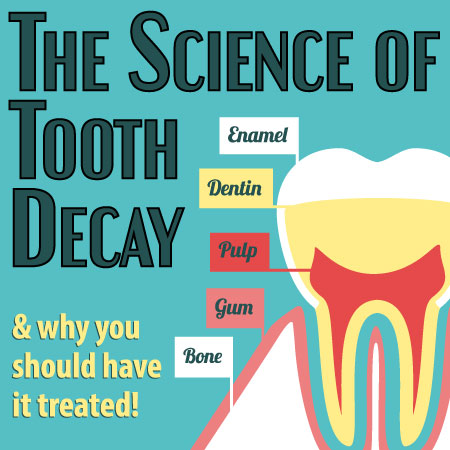 If you’ve visited our blog before, you know that we love to talk about tooth decay. The chances are, everyone has had or will have tooth decay at one point. It is classified by the National Institutes of Health as the most prevalent disease in the world. Today we’re going to talk about a few of the factors involved in causing tooth decay and what you and Portland dentist Dr. David Case can do to protect your smile.
The Unique Makeup of Your Teeth
Even within your own mouth, teeth vary widely in shape, size, and enamel quality and consistency. Some teeth are harder than others, and some—especially molars—may have deep fissures that can trap bacteria, causing decay. Additional defects in enamel formation can cause yellow or brown areas on your teeth that are more susceptible to caries (tooth decay).
The pH Level in Your Mouth
Research indicates that acidity in your mouth plays an important role in developing tooth decay. A low pH (an acidic state) allows decay-causing bacteria to thrive. Acidity is affected by the quality and flow of saliva, diet, and a number of other factors. For example, after eating carbohydrates, people will experience a temporary drop in the pH of their saliva.
Diet
One of the biggest and most easily controlled risk factors for tooth decay is diet. An unhealthy diet rich in sugars and sticky foods will increase the amount of plaque formed and lower the acidity of your saliva.
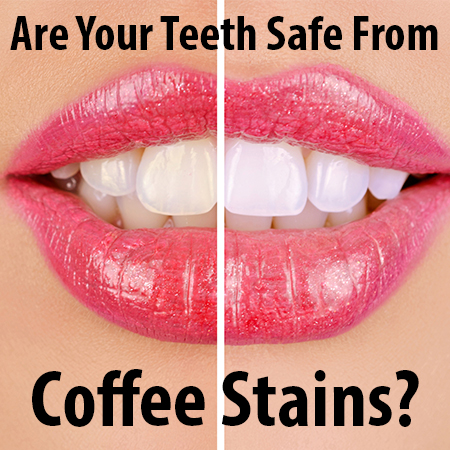 First things first, put your worries away! We are not about to tell you that your coffee drinking days are over. We know that each shot of caffeine is crucial and we cherish our coffee, too! Here at
  It’s often said that a true friend will tell you if you have bad breath. Bad breath, formally known as
 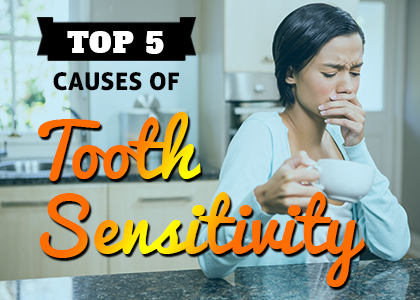 If you’re one of the 40 million Americans with sensitive teeth, you must be familiar with the painful zing that follows a hot drink, a bite of ice cream, or just a deep breath of cold air. These and other elements can cause a sudden discomfort if you have sensitive teeth, also called dentin hypersensitivity.
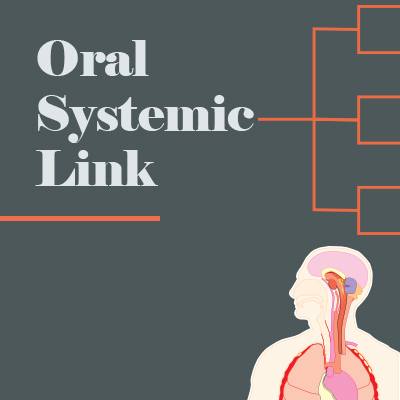 What is the Oral-Systemic Link?
 Accidents are never planned and rarely anticipated, but good dental care is always ready and available 24/7. Like all medical emergencies,
 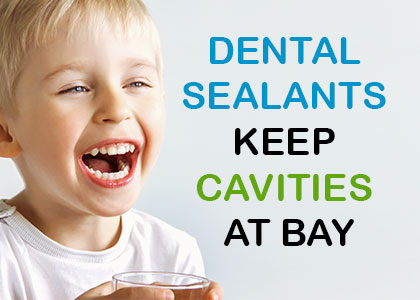 A trip to the dentist should be a pleasant experience. That’s what we want for our kids: happy associations with that twice-annual visit to
  Sometimes in life, you just need a do-over. That’s precisely what
 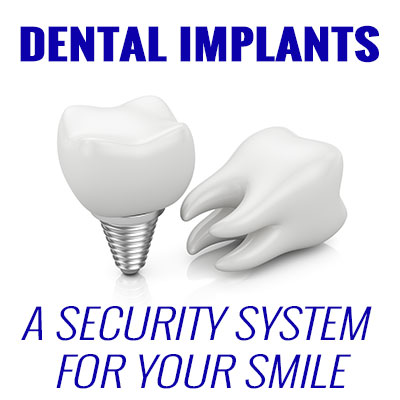 Your mouth is an intelligent system made to work with every piece doing its part. When you’re missing a tooth, the empty spaces are more than unsightly; they can be dangerous. Your other teeth, your gums, and even the bones in your face rely on you having a full smile.
 Cancer is always a scary word—but it doesn’t have to be the last word. Equipped with good information and the best doctors, you can feel empowered to navigate whatever stands before you or your loved one.