
Stop Brushing After You Eat – Do This Instead
 For a long time, we’ve been told to brush our teeth right after we eat, but conventional wisdom might be changing on that. Thanks to your mouth’s powerful and natural ability to clean itself, rinsing with water might actually be the best way to freshen your breath and prevent cavities after you eat.
In addition to your everyday hygiene routine, rinsing with water is a free, easy way to maintain oral health throughout the day. To understand this, read below about what happens in your mouth after you eat and why water is so great for your teeth.
Digestion Begins in Your Mouth
You might think that digestion starts in your stomach, but it actually starts in your mouth! The combination of chewing your food and the special bacteria in your mouth are essential to swallowing and digesting your food. Probiotics are specific bacteria that live in your mouth every day and begin the whole process of digestion by breaking down your food on a microscopic level.
In our world today, we’re trained to think of bacteria as all bad and dangerous, but that’s simply not the case. Oral bacteria are natural and important for your health. Of course, bad bacteria do exist (pathogens), but you’d be lost without the help of probiotics that break down food and help keep your mouth clean. After you eat, these bacteria get their own meal from the tiny leftovers of food on your teeth and gums. The byproduct of this bacterial feast is acid, which can damage your enamel and cause tooth decay.
Cavities
It’s normal for some amount of food to be left behind in your mouth after eating, but frequent snacking and foods high in sugar put you at extra risk for cavities. The constant presence of food on your teeth—especially sugar—makes the bacteria and plaque in your mouth produce too much acid. Acid can break down your enamel, especially when combined with the force of brushing.
Cavities are holes in your tooth enamel that threaten your tooth and oral health. The enamel protects and strengthens your tooth and it can’t be rebuilt once it starts to decay. Kids and adults of any age can develop a cavity. Cavities can cause pain and inflammation and usually need a filling to restore the tooth to health.
You can prevent cavities with good oral hygiene. This includes:
- Brushing your teeth twice per day, for two minutes at a time
- Flossing once per day
- Rinsing with mouthwash or water between meals
- Seeing the dentist twice every year
Rinsing with Water Fights Cavities
A quick rinse with water in your mouth will boost your body’s natural ability to clean itself after a meal. Rinsing with water protects your enamel by removing food and sugar left over, and about 30% of oral bacteria without the forces of brushing that—when combined with acid—can damage your enamel. Just be sure to spit out the water when you’re done, as swallowing will only introduce the bacteria into your body further and cause problems for your systemic health.
Some people may prefer the minty flavors of mouthwash, and some people are prescribed a special mouthwash for infections (gum disease) or sensitivity. But if you’re out and about, or just don’t have any mouthwash on hand, water is a great alternative for keeping your mouth clean between brushing.
So after you eat anything, it’s a good idea to quickly rinse out your mouth with water. It’s an easy and free way to instantly boost your oral health. Rinsing with water is better for your teeth than brushing them right after you eat if you wish to avoid damage to your enamel.
Drinking Water
Drinking water is also a great way to maintain oral and overall health. Saliva naturally protects your mouth by maintaining a proper pH balance that minimizes bacterial growth, and staying hydrated ensures you have healthy saliva levels. When your mouth is dry, your pH becomes acidic, and disease, decay, and bacteria can thrive. Keep your mouth and body functioning at peak performance by drinking six to eight glasses of water a day.
If you have more questions or any oral health need, Dr. David Case at Family Dental Health in Portland is taking new patients. Make an appointment today and let our professional team give you a smile you love!
The content of this blog is not intended to be a substitute for professional medical advice, diagnosis, or treatment. Always seek the advice of qualified health providers with questions you may have regarding medical conditions.
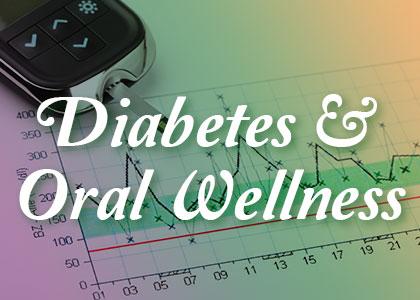 Diabetes is a chronic and complicated disease that affects how your body processes sugar—its main source of energy. Diabetes symptoms mostly affect your heart, eyes, nerves, and kidneys, but it can affect your whole body, including your mouth.
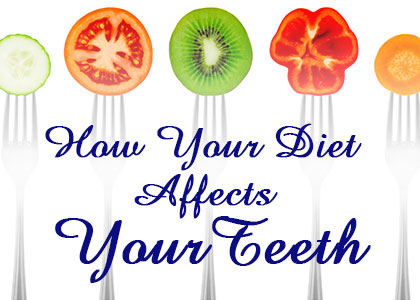 Some foods will help you grow healthy teeth and keep them forever. Some foods will prevent you from growing healthy teeth, or harm the ones you already have. You can grow and maintain strong, healthy teeth by
 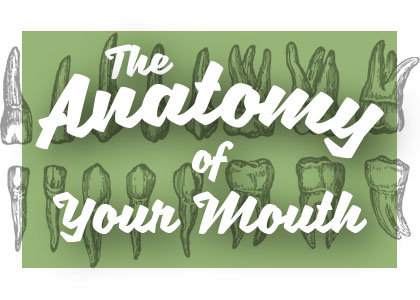 Welcome to your mouth! A healthy mouth is necessary for a healthy life. You might be surprised how many different parts work together to make your mouth function. Read more below from
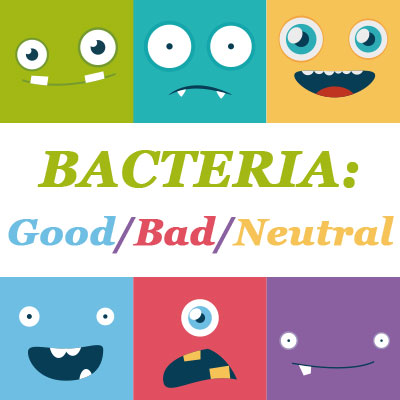 Living in a land of antibacterial gels, soaps, plastics, and even fabrics, it might surprise you to hear that tons of bacteria live in your mouth every day, and they aren’t all bad! In fact, some play an important role in keeping up your overall health.
  Headaches in Portland are a dime a dozen. We all know the frustration of having your day interrupted by throbbing, shooting pains in the head. If you suffer from frequent headaches that never seem to go away,
  Your jawbone (the mandible) meets your skull bone (the temporal bone) at the temporomandibular joint or TMJ. On a good day, this joint allows your mouth to open and close, to speak and eat or rest. On a bad day, you can develop
 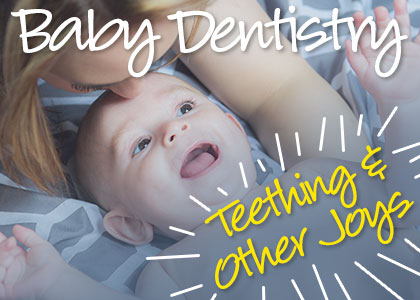 It’s easy to think that baby teeth aren’t that important. They make their grand entrance (however painfully) and leave your baby’s mouth soon thereafter. But your baby’s oral health is very important, both in the present and to set the stage for a lifetime of health. Today Family Dental Health would like to talk about those tiny teeth and how to care for them.
  You might be surprised to hear that the state of your oral health has a lot to do with preventing a stroke. There’s a certain kind of