How are Dental Savings Plans Different from Insurance?
 Understanding any type of medical or dental insurance can be a challenge, especially for uninsured folks trying to find a plan on their own. According to the National Association of Dental Plans, about 74 million Americans had no dental insurance coverage at the end of 2016. One possible solution is dental savings plans (also called dental discount plans).
Dr. Case would like to talk about plans like these and their potential to reduce out-of-pocket dental costs for patients (who doesn’t like to save money?).
How Do Dental Savings Plans Work?
With a dental discount plan, the consumer pays an annual fee, just as they would pay for a buyer’s club membership to Costco or Sam’s Club or for emergency roadside assistance insurance like AAA. In return, they get access to a dental network that offers special savings to plan members, usually in the form of percentage-off discounts. For example, if a participating provider offers a 40% discount on crowns, that crown will cost $600 rather than $1,000 for the dental savings plan holder.
There are no exclusions for preexisting conditions and no annual cap on costs under a dental discount plan. A patient is free to choose the plan offering them the most savings, pay the plan’s annual fee with the full knowledge they need extensive work done, and be in the participating dentist’s chair as soon as they can book an appointment for the procedures they need!
When Do Dental Discount Plans Make Sense?
If you already have traditional dental insurance and know you’ll need a lot of work done this calendar year that won’t exceed your policy’s annual limits, a discount dental plan is probably not necessary for you. However, if you are postponing a costly procedure until the next calendar year, or you have a child or teen that needs braces soon, a discount dental plan might be just the thing. Before you sign up, do your research—find out what providers in your area are on the plan, which procedures the plan covers, and whether the discount the plan has the potential to actually save you money.
Differences Between Dental Savings Plans & Dental Insurance
- Discount plans generally cost less than dental insurance.
- Dental discount plans require services paid upfront (or a payment plan is negotiated at the time of service if the provider allows). There will be no reimbursement from the plan later—and as a result, there is no claim paperwork to complete. While paying for services upfront can present a hardship, there are also no surprises.
- There are no annual maximums, deductibles, copays, premiums, or preexisting conditions with a dental discount plan.
- Some dental discount plans cover elective services such as teeth whitening, orthodontics or other cosmetic dentistry procedures.
- Some dental discount plans throw in bonus savings on chiropractic, vision, or hearing, particularly those plans that are geared toward seniors.
Family Dental Health loves to help our patients get the care they need in a way that will work for them. Contact your Portland dentist, Dr. Case today to learn more or schedule a visit!
The content of this blog is not intended to be a substitute for professional medical advice, diagnosis, or treatment. Always seek the advice of qualified health providers with questions you may have regarding medical conditions.
 Can you imagine a 2-liter bottle of your favorite soda? Now imagine that same bottle filled with spit. That’s approximately how much saliva the average adult produces in their mouth every day! It may be gross, but it’s definitely important. Saliva is a normal body fluid that’s crucial for oral health and overall wellness.
 People in the United States eat more sugar than any other country in the world. (Fortunately, we also have some of the best dentists in the world.) You hear it all the time: “sugar rots your teeth.” But is it true?
  How do you feel when you see that little plastic floss container in your medicine cabinet? Eagerness to achieve that clean feeling in your mouth? Or regret over a habit you have trouble keeping? Did you get excited about recent headlines saying flossing isn’t necessary? We’re sorry to break the news, but as your oral health experts, we’re here to tell you floss is still incredibly important. In fact, it’s one of the most important foundations for oral health.
 Why Are My Teeth Sensitive?
 Very few opinions are universally shared, but we’re willing to bet on one: the best dental checkups are the ones where
 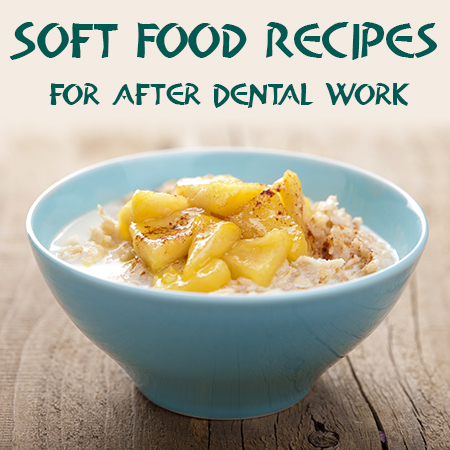 You did it! You got the consultation, booked the appointment, and you actually showed up on the big day. You saw the dentist and now all that has left you hungry! The question is: what can you eat after having dental work done? You need some soft food recipes!
 Don’t be Afraid of the Dentist!