Dry Mouth: Nothing to Spit At
 Can you imagine a 2-liter bottle of your favorite soda? Now imagine that same bottle filled with spit. That’s approximately how much saliva the average adult produces in their mouth every day! It may be gross, but it’s definitely important. Saliva is a normal body fluid that’s crucial for oral health and overall wellness.
If you struggle to make enough saliva, your mouth will feel very dry and you will have trouble with daily activities like speaking, eating, and swallowing. This condition is commonly known as dry mouth, but the clinical name is xerostomia. A chronically dry mouth is uncomfortable and unhealthy.
You have three salivary glands in different parts of your jaw that make and secrete saliva. Saliva is mostly made of water, but it also contains important molecules called enzymes that help keep your mouth clean and fight infection.
Dry mouth is common and can usually be fixed with the help of your Portland dentist and primary care doctor. Dr. Case shares more below about what causes dry mouth and how to treat it.
What Causes Dry Mouth?
When your salivary glands don’t produce enough saliva, there’s not enough moisture in your mouth and it becomes overly dry. Dry mouth can be a random side effect of prescription medicine or a sign that there’s something actually wrong with your salivary glands.
Common causes of dry mouth are:
- Prescription medication
- Nerve damage in your mouth from an impact or injury
- Smoking
- Chemotherapy and radiation
- Extreme dehydration
- Other health conditions
It’s important to talk with your primary care provider to determine what exactly is causing your dry mouth. Your body is a complex machine with many interconnected parts that all work together to keep you healthy.
What Are the Side Effects of Dry Mouth?
The importance of saliva goes beyond just your mouth. The water and enzymes in saliva are necessary for good breathing, digestion, immunity, and oral health.
Common side effects of dry mouth include:
- Dry (scratchy, painful) nasal passages and throat
- Trouble swallowing
- Trouble speaking
- Increased risk of infection in the mouth
- Increased risk of tooth decay
- Bad breath
- Trouble tasting food
How Do I Treat Dry Mouth?
Talk with your doctor to figure out what’s causing your dry mouth. There are prescription and over-the-counter medicines and mouth rinses that might be able to ease your symptoms.
If you have dry mouth, it’s very important you maintain good oral hygiene to protect yourself against tooth decay and gum disease. Talk with your dentist about prescription fluoride or more regular cleanings to keep your mouth clean and healthy.
Some easy ways to keep yourself comfortable with dry mouth include:
- Drink more water
- Chew sugar-free gum (with xylitol) to help produce saliva and keep your teeth clean
- Breathe out of your nose instead of your mouth
- Use a humidifier at home
- Don’t smoke
- Don’t drink caffeinated beverages
- Don’t take antihistamines or decongestants
If you have concerns about dry mouth or any other oral health questions, we’d love to be your partner in health. Make an appointment with your Portland dentist, Dr. Case at Family Dental Health today and we will see you soon!
The content of this blog is not intended to be a substitute for professional medical advice, diagnosis, or treatment. Always seek the advice of qualified health providers with questions you may have regarding medical conditions.
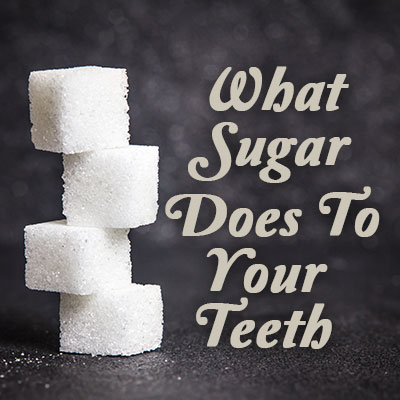 People in the United States eat more sugar than any other country in the world. (Fortunately, we also have some of the best dentists in the world.) You hear it all the time: “sugar rots your teeth.” But is it true?
 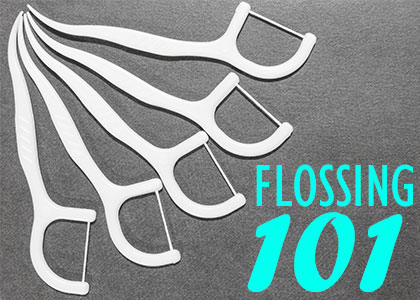 How do you feel when you see that little plastic floss container in your medicine cabinet? Eagerness to achieve that clean feeling in your mouth? Or regret over a habit you have trouble keeping? Did you get excited about recent headlines saying flossing isn’t necessary? We’re sorry to break the news, but as your oral health experts, we’re here to tell you floss is still incredibly important. In fact, it’s one of the most important foundations for oral health.
 Why Are My Teeth Sensitive?
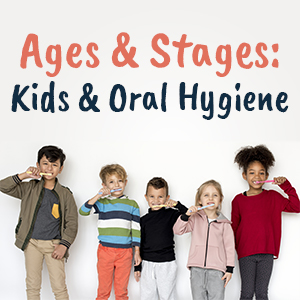 Very few opinions are universally shared, but we’re willing to bet on one: the best dental checkups are the ones where
 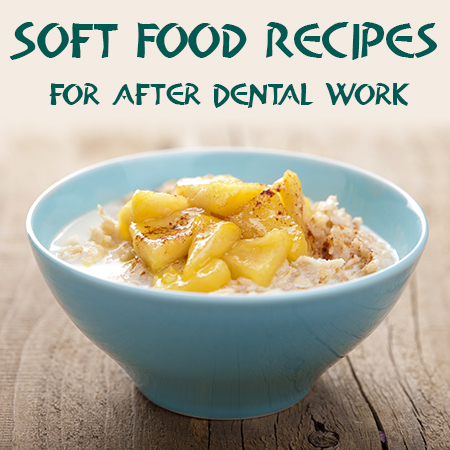 You did it! You got the consultation, booked the appointment, and you actually showed up on the big day. You saw the dentist and now all that has left you hungry! The question is: what can you eat after having dental work done? You need some soft food recipes!
 Don’t be Afraid of the Dentist!
 We love to talk about the fun and interesting sides of oral health, but today, there is something much more serious on our minds. We care about the health of everyone in Portland, and as dental care professionals, we feel it is our duty to educate you on how to be as safe and healthy as you can be. While you have probably heard of the human papillomavirus and oral cancer, most people don’t know that they are linked. Here is some information from