
Ages & Stages: Kids & Oral Hygiene
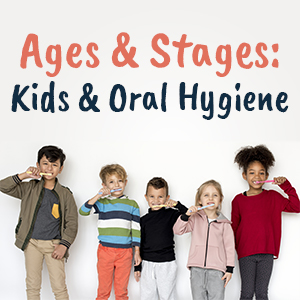 Very few opinions are universally shared, but we’re willing to bet on one: the best dental checkups are the ones where Dr. David Case says the beautiful words: “No cavities!” At-home oral hygiene routines are the most effective tool people of any age have to keep their teeth healthy, but when it comes to pediatric dentistry, it also helps for caregivers to remember what stages children are in to encourage age-appropriate oral hygiene routines at home.
- Kids under 6 years old have mouths that are still growing and changing, and they probably want to brush themselves (“I do it!”) whether they have the fine motor skills to reach all their teeth or not. Let them brush on their own and encourage their efforts but lend a hand when needed.
- When kids reach the “tween” years of 7 through 12, they know how to take care of their teeth—they just may not want to be bothered. Keep emphasizing the health benefits of diligent dental self-care, and as their sense of personal responsibility and accountability for their own health choices continues to evolve, we promise your efforts will start to sink in—even if it doesn’t seem like that now!
- The teenage years are crucial ones for dental health. Cavity formation is at its highest in very young kids, but those rates spike again in the teen years—and the daily oral care practices of teenagers are likely to be the ones they take with them into adult life.
If you want to know more about kids and oral hygiene or you’d like to schedule an appointment for a visit with Family Dental Health, don’t hesitate to give us a call!
The content of this blog is not intended to be a substitute for professional medical advice, diagnosis, or treatment. Always seek the advice of qualified health providers with questions you may have regarding medical conditions.
 Temporomandibular joint dysfunction is a really long name… so let’s call it
 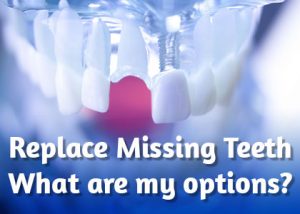 Life is full of unexpected surprises, and while we’d love for all of them to be smile-inducing, that’s not entirely realistic—and there may be many reasons you hide your smile. If you’re hiding your smile because of one or more missing teeth, we want you to know you’re not alone. In fact, 120 million people in the U.S. are missing at least one tooth, and more than 36 million Americans do not have any teeth at all.
 If you’ve tuned in to any crime scene investigation shows, you’ve probably heard of salivary testing, but did you know it’s becoming increasingly common in dental offices? Salivary testing has a bright future in medicine because of how much it can tell us about your state of health—both oral and overall.
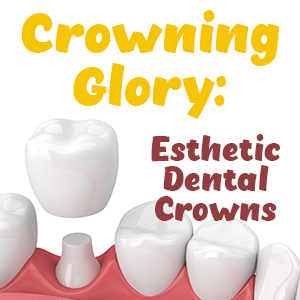 The
The  You love your teeth. You brush them twice a day, floss once a day, and see your dentist regularly. Right? We love your teeth, too! In fact, there’s so much to know about caring for your oral health that dentistry has quite a few categories of specialties and different kinds of dentists.
 Most of us have experienced a
 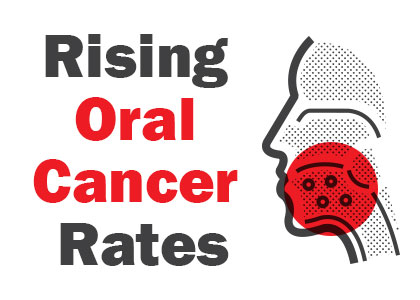 The prevalence of
  Nicknamed for the fact that they come into your mouth and your life by the time you are mature and supposedly “wise”, wisdom teeth are simply the last set of molars that grow furthest back in your mouth. If you’re experiencing some specific pain in your gums and jaw, you may be wondering if you have
 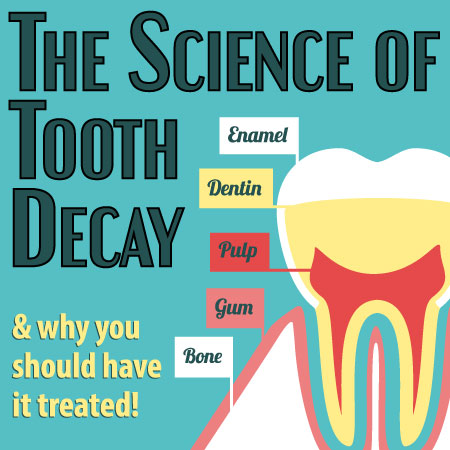 If you’ve visited our blog before, you know that we love to talk about tooth decay. The chances are, everyone has had or will have tooth decay at one point. It is classified by the