
TMJ: The Root of Your Pain
 Temporomandibular joint dysfunction is a really long name… so let’s call it TMJ. That sounds more familiar—you’ve probably heard it before. Maybe some lingering pain in your chewing muscles and bones even have you wondering if you have it.
TMJ dysfunction is sometimes called TMD, TMJD, or TMJ Syndrome, especially if there seem to be a number of other jaw-related issues. Dr. David Case at Family Dental Health is here to tell you more about TMJ and what to do if you’ve got it.
What is TMJ?
A sailboat requires a complex system of ropes, pulleys, and hooks to catch the wind in its sails and get moving. Your jaw is also made of an incredible team of muscles, bones, joints, and tissues working together in order to function. If anything affects any one part of these pieces in your jaw, it could lead to chronic pain and problems with the joints in your jaw. TMJ is a broad term that includes any of this pain or dysfunction.
TMJ can feel like anything from a headache to an inner ear infection, with pain moving from your face and head down to your neck and shoulders. If you have TMJ, talking, chewing and yawning can be very uncomfortable. You might also hear clicking in your jaw, feel your jaw lock in place, or experience muscle spasms.
 Life is full of unexpected surprises, and while we’d love for all of them to be smile-inducing, that’s not entirely realistic—and there may be many reasons you hide your smile. If you’re hiding your smile because of one or more missing teeth, we want you to know you’re not alone. In fact, 120 million people in the U.S. are missing at least one tooth, and more than 36 million Americans do not have any teeth at all.
 If you’ve tuned in to any crime scene investigation shows, you’ve probably heard of salivary testing, but did you know it’s becoming increasingly common in dental offices? Salivary testing has a bright future in medicine because of how much it can tell us about your state of health—both oral and overall.
 The
The  You love your teeth. You brush them twice a day, floss once a day, and see your dentist regularly. Right? We love your teeth, too! In fact, there’s so much to know about caring for your oral health that dentistry has quite a few categories of specialties and different kinds of dentists.
 Most of us have experienced a
  The prevalence of
  Nicknamed for the fact that they come into your mouth and your life by the time you are mature and supposedly “wise”, wisdom teeth are simply the last set of molars that grow furthest back in your mouth. If you’re experiencing some specific pain in your gums and jaw, you may be wondering if you have
 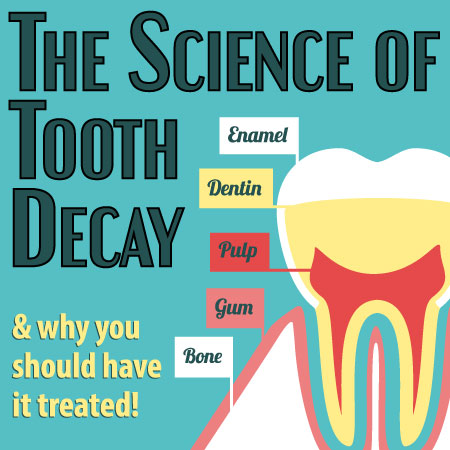 If you’ve visited our blog before, you know that we love to talk about tooth decay. The chances are, everyone has had or will have tooth decay at one point. It is classified by the
  Babies and kids