
Is Flossing Really Necessary?
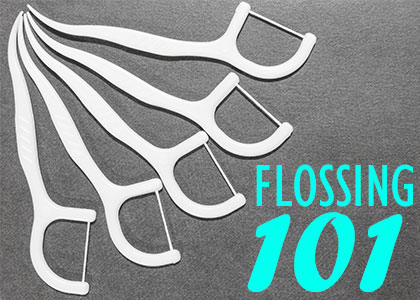 How do you feel when you see that little plastic floss container in your medicine cabinet? Eagerness to achieve that clean feeling in your mouth? Or regret over a habit you have trouble keeping? Did you get excited about recent headlines saying flossing isn’t necessary? We’re sorry to break the news, but as your oral health experts, we’re here to tell you floss is still incredibly important. In fact, it’s one of the most important foundations for oral health.
Dr. David Case at Family Dental Health shares more below about why you should floss, how to floss, and what to do if flossing causes your gums to bleed.
What is Floss?
Floss is a simple waxed thread designed specially to clean between your teeth (the hardest spots in your mouth to reach) comfortably and effectively. Floss was invented around 1820 and was first seen on store shelves decades later.
There are countless brands and types of floss. It can be thin or thick, flavored or unflavored. Most often, floss is waxed to help it move smoothly between and around your teeth. When buying floss, be sure to find one that has the ADA Seal of Acceptance (it looks like a small square) to be sure the product is both safe and effective.
Why Should I Floss?
Your toothbrush and floss go so well together, they should be married! In addition to brushing your teeth twice a day, it’s recommended that everybody floss once a day (even small children). Used together, brushing and flossing are crucial habits for maintaining good oral health and a beautiful smile.
According to the American Dental Association, flossing can remove up to 80% of the plaque on your teeth. Plaque is a naturally occurring substance in your mouth, but it must be removed regularly to prevent cavities, gum disease and bad breath (halitosis). Over time, plaque can build up, becoming tartar, and become very difficult to remove. Brushing and flossing every day gives you a head start on maintaining healthy teeth and gums.
How Do I Floss?
Flossing every day is important. Whenever is convenient for you is fine as long as it gets the job done. If you’re looking for the most effective flossing session, we recommend flossing at night before you brush. Here’s how:
- Pull about 1.5 feet of floss out from the container and wrap each end around your middle fingers, holding it taught with your index and thumb.
- Gently guide a section of the floss between two neighboring teeth.
- Curve the floss in a C-shape around each tooth and move it up and down gently to dislodge any debris.
- Keep the floss close to the spot where your teeth and gums meet (around and under the gum line).
A floss threader or a tiny interdental brush can help you floss if you have a dental bridge or braces. Talk to your dentist if you have specific questions about adopting your own flossing habit. You can also look for instructional videos online if you would like a good visual example of how to floss properly.
Bleeding Gums
It’s common for your gums to bleed just a bit when you first start flossing, but it shouldn’t really hurt. Bleeding is a sign of neglected gums with gingivitis—so you’re on the right track by flossing. Don’t stop flossing if you experience bleeding gums.
Gums bleed when there’s so much buildup between your teeth that it hardens and sticks to your soft gum tissue. Vitamin deficiencies, some medicines, and gingivitis (early-stage gum disease) can also cause bleeding. In extreme cases, only a licensed dentist or hygienist will be able to remove old plaque or tartar. See your dentist if bleeding is persistent, painful, or excessive.
Family Dental Health provides professional dental cleanings and consultations in Portland. Make an appointment today and show your mouth some TLC!
The content of this blog is not intended to be a substitute for professional medical advice, diagnosis, or treatment. Always seek the advice of qualified health providers with questions you may have regarding medical conditions.
 Why Are My Teeth Sensitive?
 Cracked, broken, and decayed teeth require restoration or they will break down further until they become infected and/or
  Good News for Grown-Ups
 Very few opinions are universally shared, but we’re willing to bet on one: the best dental checkups are the ones where
  Temporomandibular joint dysfunction is a really long name… so let’s call it
 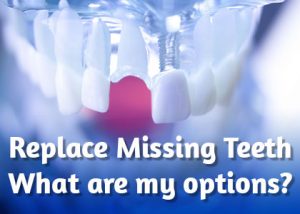 Life is full of unexpected surprises, and while we’d love for all of them to be smile-inducing, that’s not entirely realistic—and there may be many reasons you hide your smile. If you’re hiding your smile because of one or more missing teeth, we want you to know you’re not alone. In fact, 120 million people in the U.S. are missing at least one tooth, and more than 36 million Americans do not have any teeth at all.
 If you’ve tuned in to any crime scene investigation shows, you’ve probably heard of salivary testing, but did you know it’s becoming increasingly common in dental offices? Salivary testing has a bright future in medicine because of how much it can tell us about your state of health—both oral and overall.
 The
The  You love your teeth. You brush them twice a day, floss once a day, and see your dentist regularly. Right? We love your teeth, too! In fact, there’s so much to know about caring for your oral health that dentistry has quite a few categories of specialties and different kinds of dentists.