
Did George Washington Really Have Wooden Teeth?
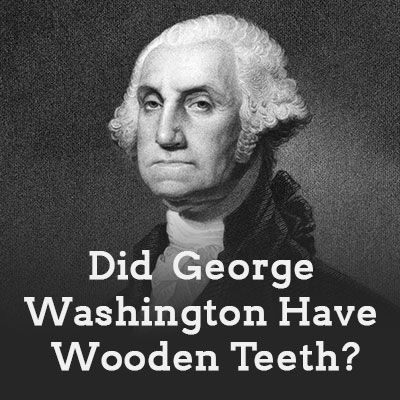 When he became the first president of the United States, George Washington had only one real tooth left! You heard right—just ONE. Everyone has heard something about this great man and his dental history, but if you heard that Washington had wooden teeth, then you heard wrong. This myth is totally false—and Dr. David Case at Family Dental Health is here to tell you the truth.
Dental Care in Colonial Times
It was a combination of bad genes and even worse medical practices that led George Washington down the path to becoming toothless. Washington experienced many health problems throughout his life, and he was often treated with “calomel,” a common medicine of his time. Calomel contained mercury, which ruined teeth. The toothpaste of that era was also made from very abrasive materials like tree bark and brick dust, which likely continued to break down Washington’s natural teeth.
Many people in Washington’s era had fake teeth, but none were made of wood. As disgusting as it sounds today, rich citizens at the time were able to purchase real human teeth to fill in their own smiles.
George Washington Had Dentures
Washington’s personal diary records frequent sore teeth, inflamed gums, and even his first tooth extraction for 5 shillings at the young age of 24. By the time Washington lost the rest of his teeth, he was rich enough to get a very fancy set of his own dentures – which contained no wood at all. Washington’s dentures were made of a combination of human teeth, cow teeth, and ivory from elephant and hippopotamus. His dentures also included gold, lead, and metal springs. How’s that for a mouthful?
It was important to Washington’s self-esteem that he had the total appearance of a strong, healthy leader, and he believed it was important for the reputation of his new nation, too. Historical letters show Washington begging his dentist to be sure that his dentures wouldn’t be obvious with a closed mouth. Sadly, Washington went to great lengths to keep his mouth closed, so he rarely laughed or smiled. Not only were his dentures high maintenance (needing regular care from a dentist) but they also caused his mouth a lot of pain. It is believed that Washington’s dentures negatively affected his leadership because he avoided public speaking.
Washington’s wife, Martha, started off with strong teeth but eventually needed dentures herself. Inspired by the oral problems both she and her husband suffered, Martha was always sure to take good care of her children’s oral hygiene.
Take Care—Before You Need Dentures, Too!
Did you know that 20-30% of all adults in the US have gum disease severe enough to threaten the loss of their teeth? If you do need dentures or implants, we can certainly help. But we’d also love to help you keep your teeth in the first place. Contact us today for the best chance of keeping all your natural teeth!
The content of this blog is not intended to be a substitute for professional medical advice, diagnosis, or treatment. Always seek the advice of qualified health providers with questions you may have regarding medical conditions.
 If you had to give up your toothbrush or your car, which would it be? According to a recent survey, 42 percent of adults and 34 percent of teens would rather turn in their keys, computer, cell phone, or microwave than get rid of their toothbrushes. It seems that many people love toothbrushes the way your
  Headaches in Portland are a dime a dozen. We all know the frustration of having your day interrupted by throbbing, shooting pains in the head. If you suffer from frequent headaches that never seem to go away,
  Fresh breath sets the tone for every moment of your day: first thing in the morning, before an important meeting, after working out, or just before bed. Whether you prefer cool mint, invigorating cinnamon, or herbal anise, it’s your favorite trusty toothpaste that delivers that fresh, clean feeling.
 Your jawbone (the mandible) meets your skull bone (the temporal bone) at the temporomandibular joint or TMJ. On a good day, this joint allows your mouth to open and close, to speak and eat or rest. On a bad day, you can develop
 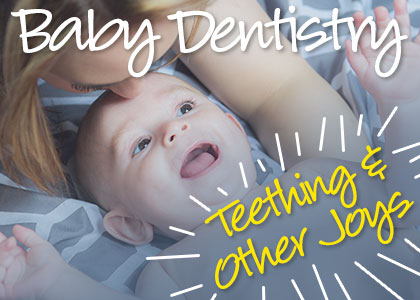 It’s easy to think that baby teeth aren’t that important. They make their grand entrance (however painfully) and leave your baby’s mouth soon thereafter. But your baby’s oral health is very important, both in the present and to set the stage for a lifetime of health. Today Family Dental Health would like to talk about those tiny teeth and how to care for them.
  You might be surprised to hear that the state of your oral health has a lot to do with preventing a stroke. There’s a certain kind of
  When it comes to
 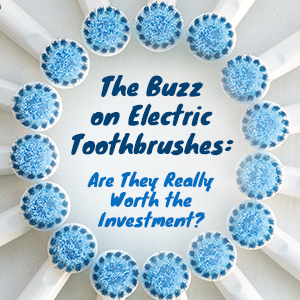 Electric toothbrushes have been on the market for years now, and whether you’re a devout user or a critical skeptic, you may still be wondering:
  Understanding any type of medical or dental insurance can be a challenge, especially for uninsured folks trying to find a plan on their own. According to the