Protect Yourself from Oral Cancer
 Dr. David Case and all of us at Family Dental Health would like to take this opportunity to talk about oral cancer, the lives that are lost to it, and what it could mean for you and your family. Oral cancer is one of the only cancers that is actually becoming more common, and we want our Portland patients to know what it is, and how to protect themselves.
Oral cancer refers to mouth cancer, tongue cancer, throat cancer, tonsil cancer, and a number of others. This year alone, more than 5,000 people will lose the battle to some form of oral cancer. Dr. Case is teaming up with the entire healthcare community to beat this disease by teaching people everywhere about how to spot it and maintain low risk.
**This post is not intended to diagnose or treat oral cancer. Its purpose is simply to inform Portland residents. If you suspect that you or a loved one may have oral cancer, come see Dr. David Case as soon as possible.**
Oral cancer is a group of diseases that can affect your body in a number of different ways. In order to list all the symptoms and warning signs we would need an entire website, so we’ve simplified the list conveniently.
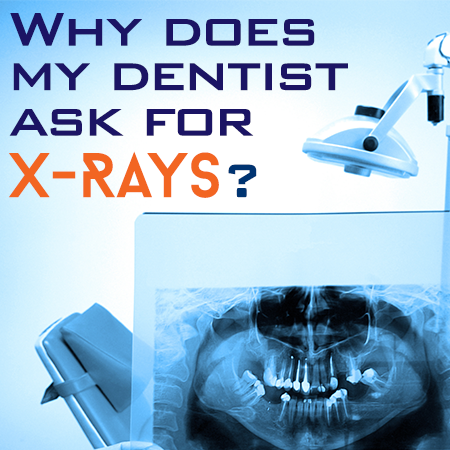 The technology of dental medicine is advancing by the minute. There are now sophisticated techniques for diagnosing and tracking oral cancer, correcting crooked teeth in less than a year,
  Most Portland residents will lose a tooth at some point in their lives, but that doesn’t mean your smile has to suffer. There are numerous ways to fix a lost tooth, but today,