
Sugar: Teeth’s Worst Nightmare
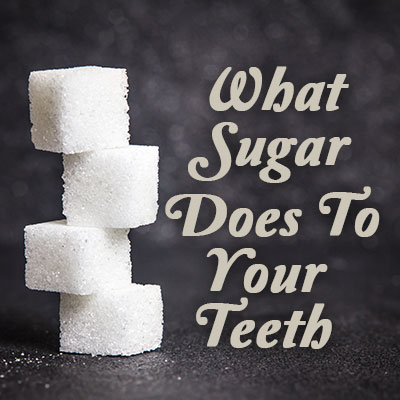 People in the United States eat more sugar than any other country in the world. (Fortunately, we also have some of the best dentists in the world.) You hear it all the time: “sugar rots your teeth.” But is it true? What exactly does sugar do to your teeth and why is it so bad? You might want to learn more about this substance that is added to nearly every edible item in the grocery store. Portland, Oregon dentist Dr. Case tells us more below.
Sugar 101
All food causes some buildup on your teeth. After eating and drinking, little bits of food are left behind in your mouth. Out of all the food we eat, sugar does the worst damage to your teeth.
Even healthy foods like milk, bread, and produce contain some natural sugar, but these foods also contain necessary vitamins and nutrients. Eaten in healthy amounts, your body has no problem breaking down the natural sugars with the other food bits on your teeth.
The problems begin when you eat food that has more sugar than nutritional value. Without proper nutrition, your body may be unable to fight the bacteria and decay excessive sugar consumption causes in your mouth.
Sugar is sneaky: it’s in almost everything! Read your regular grocery labels carefully just to estimate your actual sugar consumption levels. This is not an all-inclusive list, but here are some examples of these common and misleading names for sugar that are added where you least expect it:
- High fructose corn syrup
- Sucrose
- Barley malt
- Dextrose
- Maltose
- Rice syrup
The American Heart Association recommends you have no more than 9.5 teaspoons of sugar per day. However, in the U.S. the average adult consumes 22 teaspoons and the average child consumes 32 teaspoons…every single day!
Plaque
Why is sugar so bad for your teeth? Because it causes plaque buildup and tooth decay.
Certain bacteria are normal and fine in your mouth. But sugar left on your teeth attracts bad bacteria that create plaque, which breaks down your teeth. Think of how the wind sweeps away bits of sand off a dune little by little, until eventually there is no dune left. That’s what plaque does to your teeth. It causes an acidic reaction that weakens enamel, your tooth’s outer layer.
Snacking all day means your teeth are exposed to food buildup, bacteria, and plaque over an extended period of time. Drinking sugary beverages is especially harmful because that liquid gets into all the grooves and hard-to-reach parts of your mouth. The average American consumes 53 gallons of soft drinks per year – do you see where this is going?
Decay
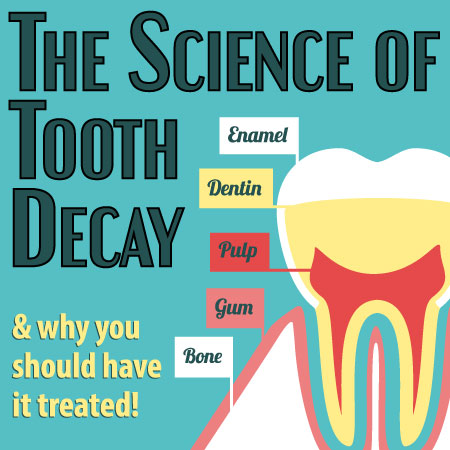
When plaque ruins your enamel, you get a hole in your tooth called a cavity. The hole allows more bacteria and plaque to move deeper into the inside of your tooth. This is known as tooth decay. Your enamel is the shiny white surface of your teeth and its purpose is to protect the inner layers of each tooth. Each individual tooth has a blood source and a nerve keeping that tooth alive. If decay reaches to the inner layers, your tooth may die and fall out. And all of that can happen much more quickly than you realize.
Next Steps
Tooth decay is the most common chronic disease among children, and many adults struggle with it as well. The good news is that tooth decay is preventable with healthy eating habits and proper oral hygiene. Here are some tips if you want to protect your teeth from the negative effects of sugar:
- Don’t snack all day
- Avoid sugar in any beverage
- Enjoy sweets in moderation
- Brush with fluoride toothpaste
- Try natural forms of licorice and cinnamon which taste sweet without any sugar
- Beware of sugar alternatives (those little yellow, blue, and pink packets) that can still have negative effects on your health
- Brush your teeth at least twice a day and floss at least once
Last but not least, contact Portland dentist Family Dental Health today to make an appointment and be sure to get your teeth professionally cleaned twice a year by our amazing hygienists.
The content of this blog is not intended to be a substitute for professional medical advice, diagnosis, or treatment. Always seek the advice of qualified health providers with questions you may have regarding medical conditions.
 Temporomandibular joint dysfunction is a really long name… so let’s call it
  Life is full of unexpected surprises, and while we’d love for all of them to be smile-inducing, that’s not entirely realistic—and there may be many reasons you hide your smile. If you’re hiding your smile because of one or more missing teeth, we want you to know you’re not alone. In fact, 120 million people in the U.S. are missing at least one tooth, and more than 36 million Americans do not have any teeth at all.
 If you’ve tuned in to any crime scene investigation shows, you’ve probably heard of salivary testing, but did you know it’s becoming increasingly common in dental offices? Salivary testing has a bright future in medicine because of how much it can tell us about your state of health—both oral and overall.
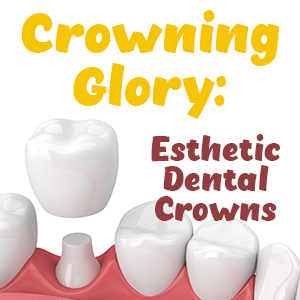 The
The  You love your teeth. You brush them twice a day, floss once a day, and see your dentist regularly. Right? We love your teeth, too! In fact, there’s so much to know about caring for your oral health that dentistry has quite a few categories of specialties and different kinds of dentists.
 Most of us have experienced a
  Nicknamed for the fact that they come into your mouth and your life by the time you are mature and supposedly “wise”, wisdom teeth are simply the last set of molars that grow furthest back in your mouth. If you’re experiencing some specific pain in your gums and jaw, you may be wondering if you have
  If you’ve visited our blog before, you know that we love to talk about tooth decay. The chances are, everyone has had or will have tooth decay at one point. It is classified by the