
Hot on the Trail with Oral Pathology
 When it comes to your oral health, we hope you never have any pains or problems. Good preventive care will help you always feel your best! But even with the best habits, dental problems do happen. In that case, oral pathology is the science and medicine that helps diagnose and treat whatever is making you ache. If you think you have oral disease, don’t be embarrassed, but get help as soon as possible.
What is Oral Pathology?
Sometimes things go wrong, even in the healthiest people. If you have pain, bleeding, or unusual symptoms in your mouth, oral pathology helps us find the answers you need.
According to the American Dental Association: “Oral pathology is the specialty of dentistry and discipline of pathology that deals with the nature, identification, and management of diseases affecting the oral and maxillofacial regions.” In other words, oral pathology is the science that understands the causes and effects of these diseases. Common practices include clinical examinations, lab testing, and taking the whole body health and chemistry into consideration.
Pathology is important because if you have a certain problem, we want to know exactly what it is so that we can offer the right treatment. For example, viruses and bacteria are completely different kinds of organisms. Both can make you sick, but in order to get the proper treatment, we want to know what exactly is causing the problem.
For example, let’s say at your last checkup, Dr. David Case noticed your gums bled more than usual and have started to recede. These are early warning signs of gingivitis and gum disease. But why now? Your gums have been healthy for your whole life. After a brief discussion, we rule out any dietary, hygiene or lifestyle changes. But you are taking a new medication – a medication that is known to cause dry mouth, a common risk factor for gum disease. Aha! And there we have it. Oral pathology has done it again!
Oral pathology takes into consideration your personal health background to consider what existing medical conditions might be affecting you specifically. This is why it’s a great idea to have a good relationship with your Portland dentist that includes sharing any and all health problems and medications – even if you think they don’t have anything to do with your mouth. Your oral health and your overall health go hand-in-hand!
Oral Diseases
According to the World Health Organization: “Risk factors for oral diseases include an unhealthy diet, tobacco use, harmful alcohol use, poor oral hygiene, and social determinants.” Any of these combined with your personal risk factors can make you and your mouth unhealthy.
The main categories of oral diseases are:
- Pain: Any number of problems can cause pain in your mouth, jaw, and neck.
- Infections: Can be caused by fungus, bacteria, or viruses.
- Cancer: Warning signs include a discolored tongue or gums, open wounds, or lumps in your mouth or throat.
- Cavities: Called dental caries, lead to tooth decay and other complications.
- Gum Disease: A common but treatable infection and inflammation of the gums.
- Tooth Loss: Many oral diseases can cause tooth loss. Your Portland dentist can treat the problem and also talk with you about tooth replacement options.
Anything that prevents you from comfortably speaking, smiling, chewing, and swallowing is an oral problem. While accidents and injuries aren’t diseases, but they can certainly harm your oral health.
A healthy mouth is key for a healthy body and a happy life. The best way to protect your oral health is through good oral hygiene and healthy lifestyle habits. This includes:
- Brushing your teeth twice a day, for two minutes
- Flossing or cleaning between your teeth once every day
- Seeing the dentist regularly, usually two times per year
- Eating a healthy diet and avoiding/limiting smoking, sugar, and alcohol
- Drinking lots of water and getting good sleep
- Understanding how your overall health affects your oral health
If you’re experiencing any oral health problems and are wondering why we would love to help you find answers. Contact Family Dental Health today to make an appointment if you have any concerns about your oral health!
The content of this blog is not intended to be a substitute for professional medical advice, diagnosis, or treatment. Always seek the advice of qualified health providers with questions you may have regarding medical conditions.
 The dreaded words of warning for anyone who has a
  If you get to go on a tropical vacation, your ability to feel the warm sun and the smooth sand is crucial to enjoying the atmosphere. There are, however, times in life when you would rather not feel anything. Getting a dental procedure can be one of those times—as important as the procedure might be. In that case, thank goodness for modern medicine and anesthesia.
  For a long time, we’ve been told to brush our teeth right after we eat, but conventional wisdom might be changing on that. Thanks to your mouth’s powerful and natural ability to clean itself, rinsing with water might actually be the best way to freshen your breath and prevent cavities after you eat.
  Diabetes is a chronic and complicated disease that affects how your body processes sugar—its main source of energy. Diabetes symptoms mostly affect your heart, eyes, nerves, and kidneys, but it can affect your whole body, including your mouth.
 Some foods will help you grow healthy teeth and keep them forever. Some foods will prevent you from growing healthy teeth, or harm the ones you already have. You can grow and maintain strong, healthy teeth by
 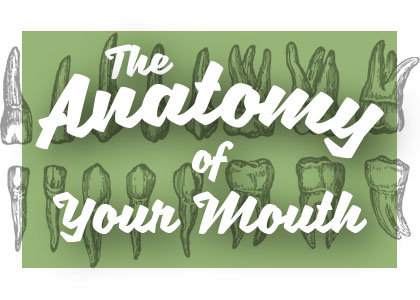 Welcome to your mouth! A healthy mouth is necessary for a healthy life. You might be surprised how many different parts work together to make your mouth function. Read more below from
 Living in a land of antibacterial gels, soaps, plastics, and even fabrics, it might surprise you to hear that tons of bacteria live in your mouth every day, and they aren’t all bad! In fact, some play an important role in keeping up your overall health.
  Headaches in Portland are a dime a dozen. We all know the frustration of having your day interrupted by throbbing, shooting pains in the head. If you suffer from frequent headaches that never seem to go away,