Calcium. We regularly hear how important calcium is for our kids’ diets. It’s vital for healthy growth. Calcium is a building block for strong bones. It helps with hormone balance and keeps the heart pumping and blood circulating normally. But, did you know that calcium is also vital for healthy teeth?
Calcium builds strong bones. Years of milk commercials (backed by years of research) have firmly planted that information in our brains. In fact, 99% of the calcium in the body goes to building healthy bones and teeth. Calcium is the hard mineral that makes bones hard, and it also makes the enamel that surrounds our teeth the hardest substance in the human body.
The 1% Difference
Since 99% of the calcium in the body is in the teeth and bones, you might think there’s always enough for the teeth, but it turns out that’s not always the case. Because regulating heart rhythms and hormone balance is necessary to stay alive, if there isn’t enough calcium for these vital functions from food, the body will take it from anywhere it can get it.
Unfortunately, that means your body and your kids’ bodies will take calcium from the teeth and bones to keep enough of it for other necessary jobs it has in the body. Teeth without enough calcium can develop demineralized spots–dull white spots on the teeth that are not as strong as regular enamel. Those spots are fragile and have a high risk of turning into full cavities.
Who’s at Risk?
Not having enough calcium in your diet may not sound as scary as the big bad wolf, but it’s far more worrisome in real life. More than half of both boys and girls 9-13 routinely get less than half of the calcium required for good health at their age. The National Institutes of Health identifies several groups that are chronically at risk of inadequate calcium. They include girls 4 and older, especially adolescent girls, and boys age 9-18. Women who are pregnant also need additional calcium to support bone development in the growing baby.
What Foods are Calcium Champs?
When we say calcium, we often flash back to those milk ads. It’s true; there is a lot of calcium in dairy. That includes milk, yogurt, and cheese. But, not all calcium-rich foods are dairy-based, which is good news for those who do not eat dairy.
Sardines pack more calcium per 3-ounce serving than calcium-fortified orange juice, but the orange juice will probably be easier to convince your children to consume. Dark green leafy vegetables like kale, bok choi, Chinese cabbage, and turnip greens also pack a calcium punch. Even a corn tortilla can provide 5% of the recommended daily value for calcium.
What About Supplements?
Calcium supplements are commonly used to make up for a lack of calcium in the diet. They can be a good choice to help when there is no way to make up the calcium by better eating, but they require a little extra care. Food-sourced calcium is easier for the body to process. Calcium carbonate is less expensive, but harder to absorb and can be hard on people with stomach issues. Calcium citrate is easier to absorb, but is more expensive and can be harder to find.
Too Much of a Good Thing?
Sometimes with supplements, you can run into “a little is good, more is better” mentality. That’s just not the case. There’s an upper limit to how much calcium your body can safely process in a day. The smaller the body, the smaller the limit. While it’s very unlikely that you would exceed that limit with food alone in your children’s diets, supplements, particularly gummy ones with candy flavors, can increase the risk of having too much. As with most things in life, balance is key.
Mindful Eating
With some care and attention, it’s possible to keep your family healthy and calcium-rich, making your dental visits more pleasant. If supplements are necessary, they are readily available. Healthy calcium builds healthy teeth, so build healthy eating habits and keep your teeth ready to eat with you (and your family) for a lifetime.
If you have any questions about calcium, tooth decay, or any other oral health topics, please contact your Portland dentist, Dr. Case at Family Dental Health today! We would be more than happy to talk with you about a healthy diet to help your little one grow up strong and healthy.
The content of this blog is not intended to be a substitute for professional medical advice, diagnosis, or treatment. Always seek the advice of qualified health providers with questions you may have regarding medical conditions.
 Headaches in Portland are a dime a dozen. We all know the frustration of having your day interrupted by throbbing, shooting pains in the head. If you suffer from frequent headaches that never seem to go away, Dr. Case would like you to know about bruxism, or teeth grinding.
  Your jawbone (the mandible) meets your skull bone (the temporal bone) at the temporomandibular joint or TMJ. On a good day, this joint allows your mouth to open and close, to speak and eat or rest. On a bad day, you can develop
 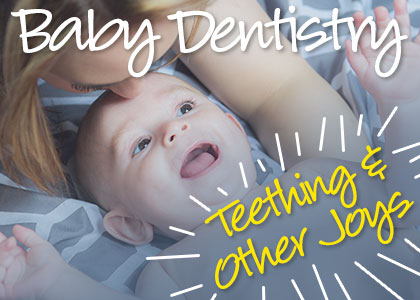 It’s easy to think that baby teeth aren’t that important. They make their grand entrance (however painfully) and leave your baby’s mouth soon thereafter. But your baby’s oral health is very important, both in the present and to set the stage for a lifetime of health. Today Family Dental Health would like to talk about those tiny teeth and how to care for them.
  You might be surprised to hear that the state of your oral health has a lot to do with preventing a stroke. There’s a certain kind of
  Can you imagine a 2-liter bottle of your favorite soda? Now imagine that same bottle filled with spit. That’s approximately how much saliva the average adult produces in their mouth every day! It may be gross, but it’s definitely important. Saliva is a normal body fluid that’s crucial for oral health and overall wellness.
  People in the United States eat more sugar than any other country in the world. (Fortunately, we also have some of the best dentists in the world.) You hear it all the time: “sugar rots your teeth.” But is it true?
  Temporomandibular joint dysfunction is a really long name… so let’s call it
  Life is full of unexpected surprises, and while we’d love for all of them to be smile-inducing, that’s not entirely realistic—and there may be many reasons you hide your smile. If you’re hiding your smile because of one or more missing teeth, we want you to know you’re not alone. In fact, 120 million people in the U.S. are missing at least one tooth, and more than 36 million Americans do not have any teeth at all.
 If you’ve tuned in to any crime scene investigation shows, you’ve probably heard of salivary testing, but did you know it’s becoming increasingly common in dental offices? Salivary testing has a bright future in medicine because of how much it can tell us about your state of health—both oral and overall.